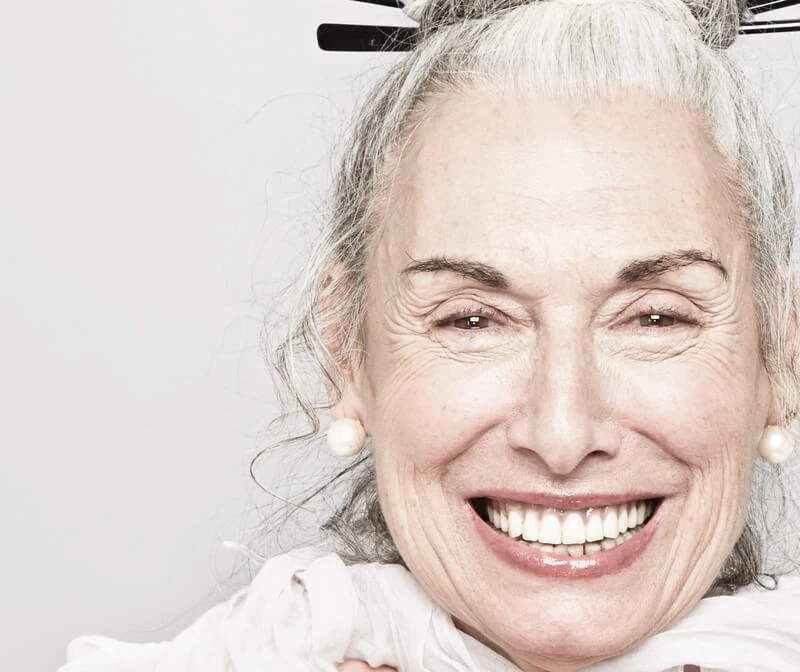
I am proud of all the formulations that I have developed over the last 38 years in the Optaderm Laboratory.
I create new products when science and ingredient innovations create breakthroughs in skin vitality. But, when I can no longer produce a product it will be available here in our clinic sale while supplies last.
At Optaderm, we believe aging is a natural process, not something to fight. This guide explains how skin function can change over time and how science-based skincare can support hydration, renewal, and resilience through every decade.
At every age
Age is a guide, not a skin type.
Genetics, sun exposure, hormones, environment, and skin-barrier function all influence how your skin changes. Each decade provides useful context, but not a fixed timeline. The most effective routine begins with understanding how your skin looks, feels, and functions today.
In your20sPrevention and Protection
Start by building consistent habits and developing a routine now. Consistency and protection of the skin’s fibroblasts are the key to better skin for the future.
How your skin changes
Your skin antioxidant response slows leading to a duller complexion.
Pore structure changes result in enlarged visible pores.
Collagen levels, hyaluronic acid levels, and elastin production has reached its peak.
Your care priorities
Focus on establishing a skincare routine and start treatments addressing texture and tone.
In your30sStimulation and Care
This is the ideal therapeutic window and a great era to start introducing treatments in your routine. Fibroblast activity is highly responsive, and treatment can successfully improve skin’s texture and tone. Stimulation and care of the skin’s fibroblasts are the key to better skin for the future.
How your skin changes
Your skin’s bioenergy starts to decline, slowing the healing process.
You will experience reduced vibrancy due to a decline in antioxidant response.
Pore structure continues to change and enlarge.
Collagen, hyaluronic acid, and elastic production decline.
Your care priorities
Focusing on finding treatments that address your concerns and skin texture and tone are important at this time. This is where you can start to mix treatment products if you want to start optimizing ingredients and results. Having a consistent routine with cleansing, toning, treatments, moisturization and sunscreen is the key to better skin quality.
In your40sStimulation and Improvement
This is within the ideal therapeutic window and a great era to continue treatments in your routine. Fibroblast activity is highly responsive, and treatment can successfully improve skin’s texture and tone. Stimulation and care of the skin’s fibroblasts are the key to better skin for the future.
How your skin changes
The skin’s metabolism slows and decreases your ability to regenerate and heal.
An accelerated decline in antioxidant response further reduces vibrancy.
Pore structure continues to decline.
Collagen levels, hyaluronic acid levels, and elastin production greatly decreases.
Your care priorities
Focusing on finding treatments that address your concerns and skin texture and tone are important at this time. Fibroblast activity is responsive, and treatment can successfully improve skin’s texture and tone. This is where you can mix treatment products if you want to start optimizing ingredients and results. Having a consistent routine with cleansing, toning, treatments, moisturization and sunscreen is the key to better skin quality.
In your50sMaintenance and Care
This era of skincare is where your skin’s metabolic slowdown begins, and where if you have been maintaining a routine the results will start to show. Fibroblast activity is slowing down, and treatment can still improve skin’s texture and tone but the improvement may be less noticeable. Maintenance of the skin’s fibroblasts are the key to better skin for the future.
How your skin changes
Your skin’s metabolic slowdown reduces the natural repair and healing process.
The dermis is thinner, resulting in more fragile skin.
Hormonal changes drive dramatic changes in pore and skin structure.
Collagen levels, hyaluronic acid levels, and elastin continue decreasing.
Your skin’s collagen layers can appear mottled.
Your care priorities
Focusing on maintaining treatments that address your concerns and skin texture and tone are important at this time. Fibroblast activity is slowing down. Your routine will be the most important to maintain skin quality.
In your60sMaintenance and Repair
While fibroblasts can still respond and produce collagen, fibroblasts can only be stimulated so much. Maintenance and repair of the skin’s fibroblasts are the key to maintaining skin quality.
How your skin changes
Your skin’s metabolic slowdown reduces the natural repair and healing process.
The dermis is noticeably thinner, resulting in more fragile skin.
Hormonal changes drive dramatic changes in pore and skin structure.
Collagen levels, hyaluronic acid levels, and elastin continue decreasing.
Your skin’s collagen layers can appear mottled.
Your care priorities
Focusing on maintaining treatments that address your concerns and skin texture and tone are important at this time. Your routine will be the most important to maintain skin quality.
Individual skin. Individual care.
Let’s find what your skin needs now.
Personalized guidance begins with understanding your skin’s function. Our team can help you review your routine and select formulas for your current needs. Clinical services, including laser treatments, require an individual assessment of skin condition, skin tone, medical history, and recovery needs.